
GarageTome in action
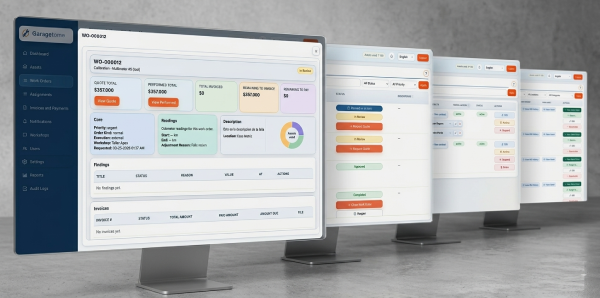
How this capability looks inside GarageTome
This area can later show a real GarageTome screen tied to this capability so customers understand how the workflow works in practice.
Comparison
This comparison is designed for teams evaluating maintenance software categories. It focuses on operating fit, adoption risk, asset-level evidence, and cost control instead of naming specific software brands.
GarageTome in action
This area can later show a real GarageTome screen tied to this capability so customers understand how the workflow works in practice.
A buyer-focused comparison that explains workflow fit, asset traceability, approvals, workshop control, and cost visibility without referencing specific competing software names.
When this part of the process is disorganized, teams lose time, context, and control. That usually shows up later as higher cost, weaker follow-up, slower decisions, and more operational friction.
GarageTome solves that by connecting people, assets, workshops, and decisions inside one platform, so the operation runs with more order, more traceability, and less avoidable loss.
Stronger operating discipline across assets, work orders, and approvals.
Better cost visibility before small issues become expensive surprises.
More confidence when teams need to explain what happened and why.
This is where GarageTome stops sounding like software and starts feeling like a practical operating tool for reducing loss, improving follow-through, and making decisions easier to manage.
Standardize fleet maintenance software vs cmms for teams that operate vehicles, tools, and equipment.
Give internal teams and external workshops one shared maintenance context.
Create a repeatable workflow that can scale across locations, contracts, or asset classes.
For operations teams, this means less rework, fewer gray areas, and better follow-up. For leadership, it means stronger visibility, more discipline, and decisions that are easier to defend.
GarageTome connects both needs in one platform so operating control and cost control stop living in separate systems and conversations.
No. It compares approaches and buying criteria without naming specific competing products.
Buyers should prioritize workflow accountability, asset history, approval discipline, workshop collaboration, and cost visibility.